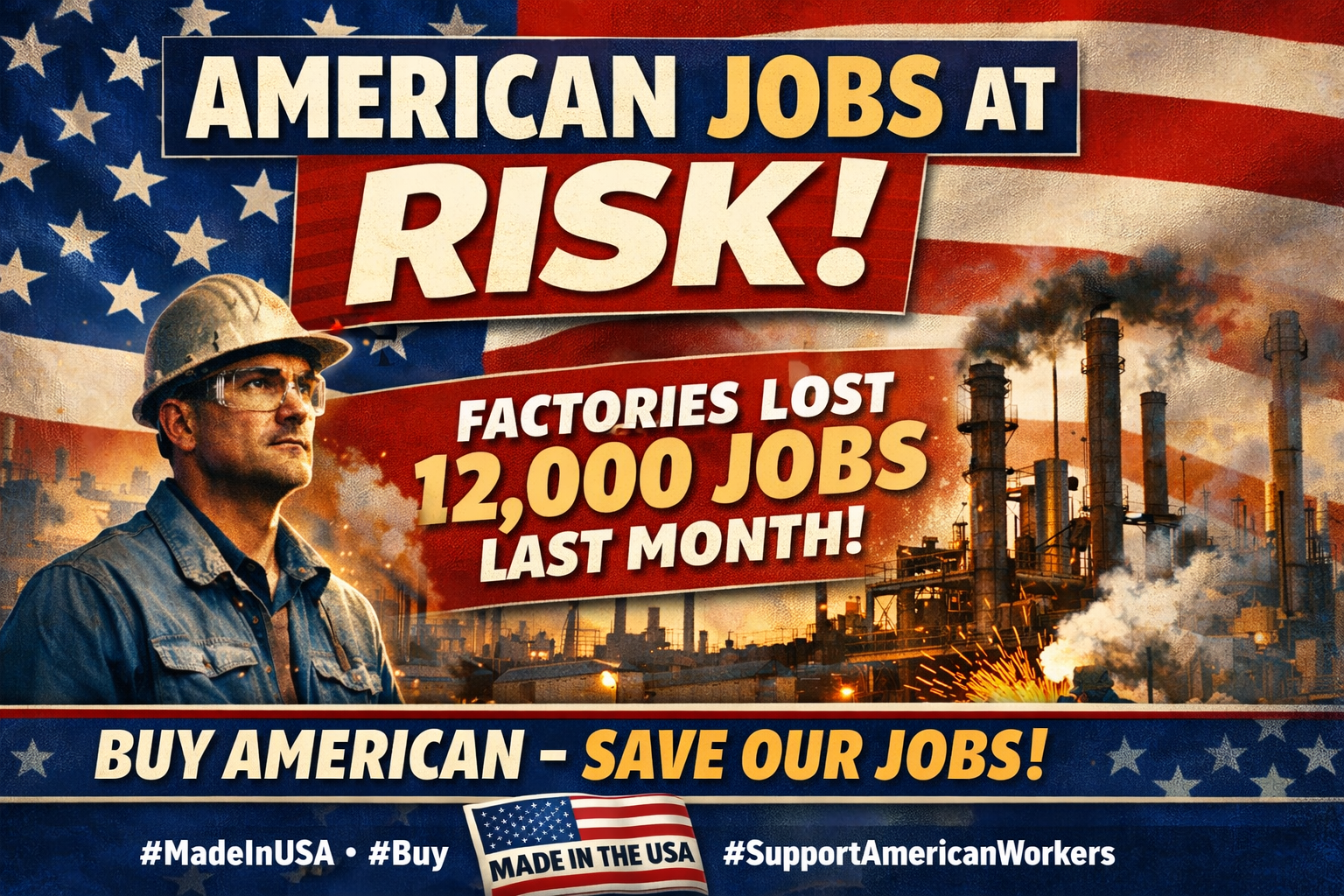
U.S. factories shed 12,000 jobs in February 2026, according to the Alliance for American Manufacturing — even as overall manufacturing activity expanded for the second consecutive month. The ISM Purchasing Managers’ Index came in at 52.4, signaling growth in output. But growth without jobs is a warning sign: American factories are producing more while employing fewer workers, a gap that tells a complicated story about the state of American manufacturing.
Behind every job number is a person — a machinist, a line worker, a quality control technician — whose paycheck supports a family, a mortgage, a local small business. Manufacturing job losses don’t stay contained to factory floors. They ripple outward into communities, reducing local tax bases, closing neighborhood shops, and pushing skilled workers to seek opportunity elsewhere. Towns that lose manufacturing jobs rarely recover quickly, and the consequences can last a generation.
A Dual Squeeze on American Industry
The broader economic picture adds urgency to these numbers. Factory gate inflation surged to a near 3.5-year high in February, driven by tariff pressures on raw materials. At the same time, the Alliance for American Manufacturing is urging the Trump administration to strengthen enforcement of Section 232 steel and aluminum tariffs to ensure U.S. producers aren’t undercut by non-compliant imports. The combination of rising input costs and job losses puts pressure on an industry that remains critical to American economic security.
Your Purchases Are Part of the Solution
Consumer purchasing decisions are one of the most direct levers available to support American manufacturing workers. When Americans consistently choose products made in the USA, they create sustained market demand that supports factory employment. The math is straightforward: more demand for American-made goods means more workers on American production floors.
12,000 Reasons to Act Now
The 12,000 workers who lost their factory jobs last month need more than policy — they need a market that values what they make. Every time you choose American-made, you are part of that market. Check the label, and buy American whenever you can.